
What is Sambal?
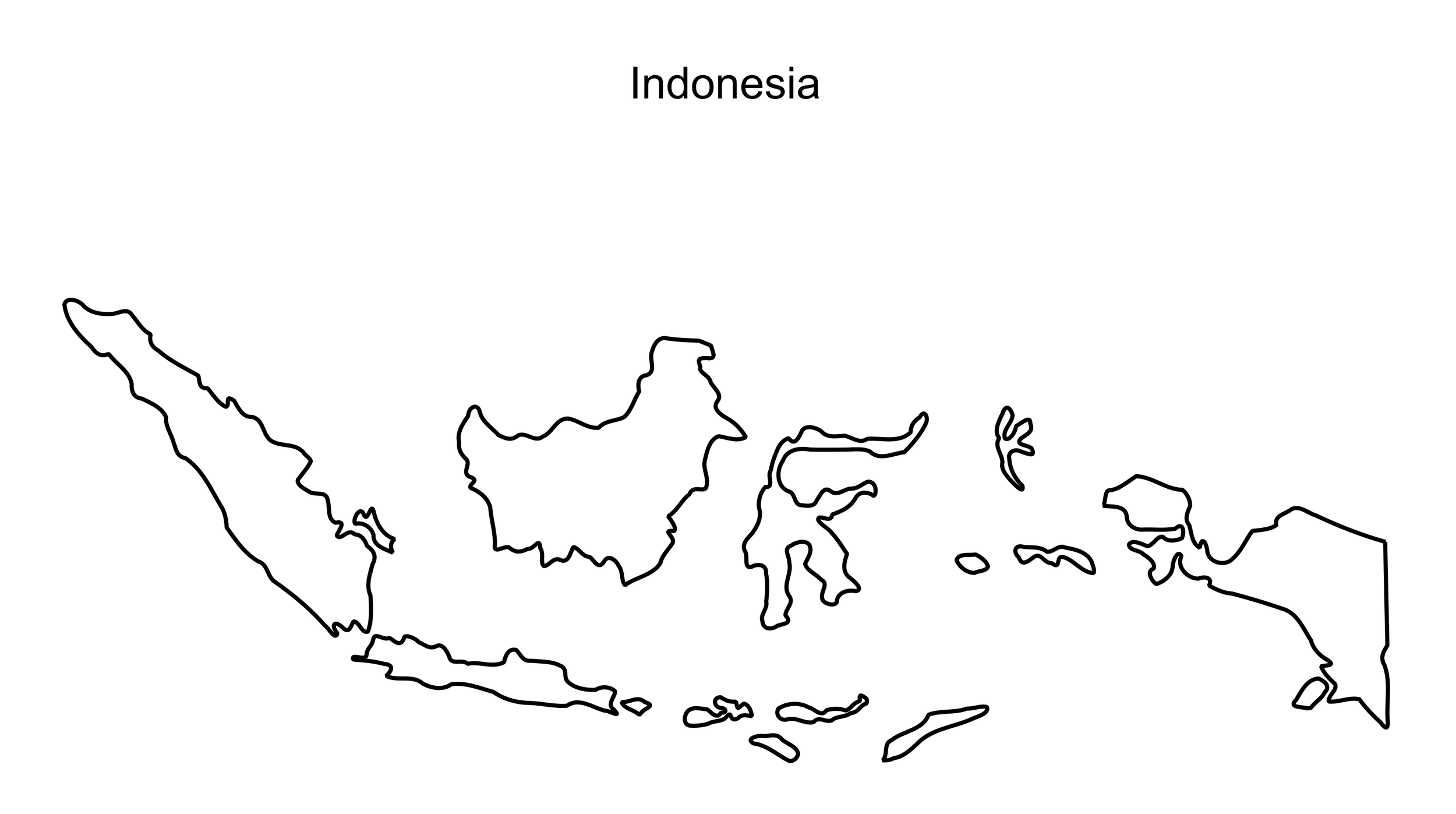
Sambal is deeply flavorful, complex blend with peppers at it's core. It can be found as a paste or something more roughly chopped. It can be used as a condiment or as the base for soup. Sambal is deeply versatile above all and at Red Faced, we want to introduce it to more Western markets to be used for everything and anything. Though found in many forms and flavors all across southeast Asia, sambal forms the very heart of Indonesian cuisine. The origins of sambal are hard to pinpoint exactly, but evidence of pungent spice blends pounded to a paste go far back into the misty past of the region. Originally, long peppers and black pepper from India form the basis for the spicy blend. However, in the 16th century Portuguese traders introduced Indonesia to chilis from South America. The powerful capsaicin found in chilis immediately took hold of the local's tastebuds.
There are as many types of sambal as there are islands in Indonesia, each with it's own unique taste and blends. At Red Faced, we decided that we wanted to forge our own sambal path and took all the best parts of our favorite sambals to craft the ultimate flavor experience.
Our Sambal

While sambal has a few ingredients that are found in most styles, the sky is the limit when it comes to variation. Sambal oelek is a fresh ground variant that focuses on chilis, shallots, garlic and ginger. Sambal terasi adds umami depth with fermented shrimp paste. Sambal matah is a raw Balinese take while sambal bajak is a fragrant, cooked version. Sambal pencit even throws in some mangos! Red Faced wanted to take all of the absolute best attributes of their favorite sambals and combine them into a brand new, unique, fried variant we are calling sambal hebat. Here are the key flavors:

We start with the absolute heart of any decent sambal: the peppers. We worked our way through many options and landed on a combination of both fresh and dried peppers. Currently, we prefer the fruity flavor of fresno chilis and the mildly bitter bite of sechuan chilis. The combination creates a unique blend of flavors that capture the worldly approach to our recipes.
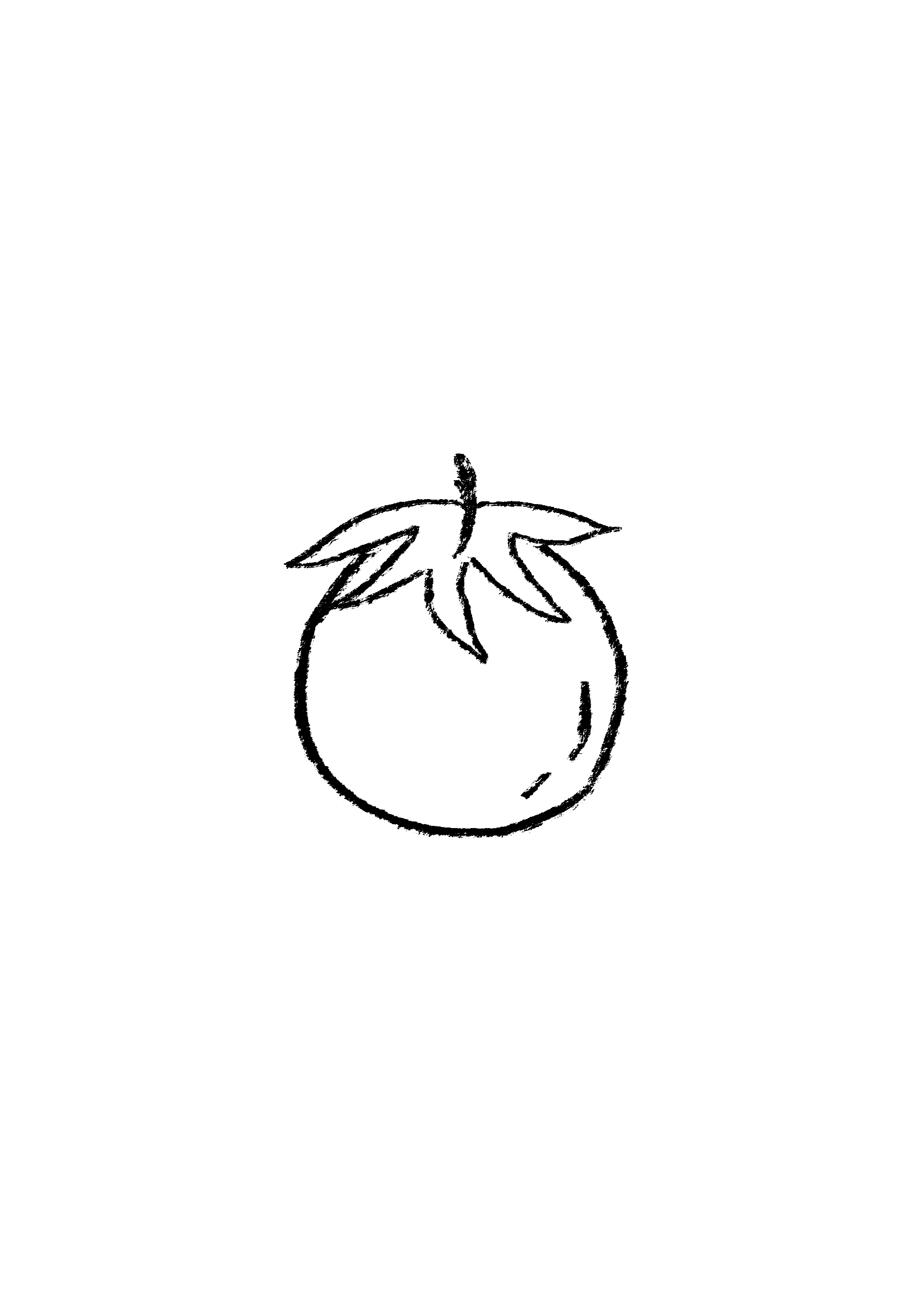
Tomatoes are a less common ingredient in your typical Indonesian sambal but we found that a combination of fresh tomatoes and tomato paste bring out a rich flavor and a touch of acidity. This ingredient’s addition is inspired by sambal dabu dabu from North Sulawesi and sambal terasi from Java.

Galangal is a very common ingredient in Indonesian cooking. It is a root similar to ginger but has a more earthy and bitter taste. We find that western cuisine tends to avoid bitterness as a flavor, seeing it as a flaw rather than just another aspect to be incorporated into recipes. Part of Red Faced desire to bring sambal to more people in the West is also introducing them to flavors they might not typically pursue. Galangal isn’t commonly found in sambal but that’s why sambal hebat is special to Red Faced.

Of course, ginger is also another key ingredient when making any sambal. Ginger is one of the most commonly used ingredient across any and all types of sambals. It’s fragrant, a little spicy, wonderfully fibrous in texture and helps bind all the flavors of sambal hebat from sweet to spicy.
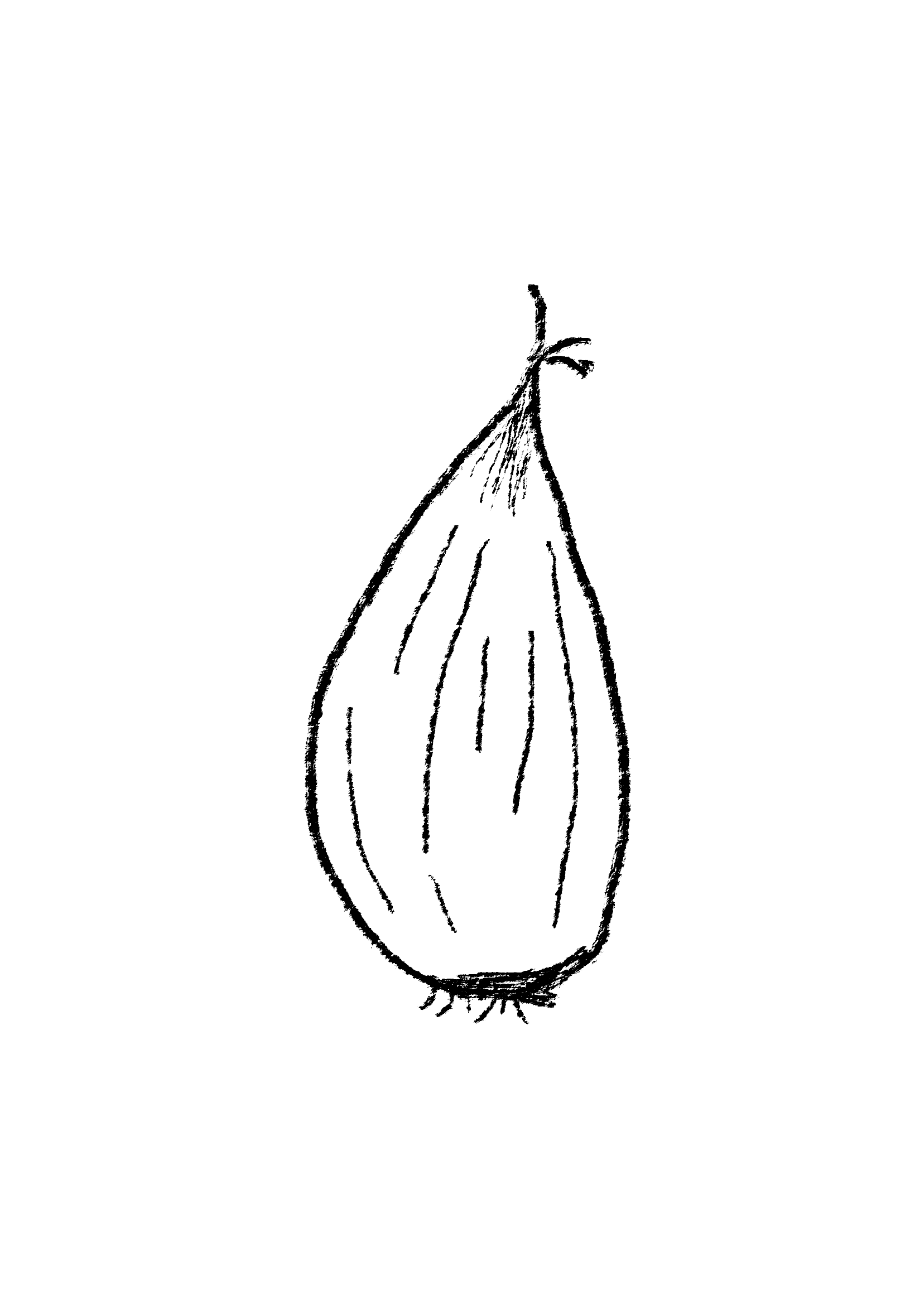
Shallot is another ingredient that one is going to find in most sambal. Whether raw and chunky or fine and deep fried, shallots find themselves not just in sambal but in most Indonesian recipes. Next to peppers, it is possibly the second most important ingredient. Compared to onions, shallots offer a much milder and sweeter profile that doesn’t overwhelm the already complex flavors that sambal offers. From sambal oelek to sambal bakso, from Java to Bali, the shallot is an essential part of capturing the regions flavors and that applies to our very own sambal hebat.

Fermented seafood of many varieties is extremely common in Indonesian cuisine and sambal is no exception. Where shrimp paste or dried anchovies are present in both sambal terasi or the Sumatran sambal tuktuk, at Red Faced we wanted to use anchovy paste for our sambal hebat as it’s more familiar to Western pallets and slightly less abrasive to the senses.

The kaffir lime is a rough, warty cousin to the more familiar variants of the west. In Indonesian cooking, the leaves are sliced very thin and are prized for imparting a distinct citrus and bitter flavor without adding any actual acidity. These leaves are found most commonly in the refreshing sambal matah of Bali.

Lemongrass achieves a similar flavor profile as the the kaffir lime leaves do but add a nice bit of fibrous texture to actual feeling of our sambal hebat. Native to the Southeast Asian regions, this plant has many uses from culinary to medicinal. It also grows incredibly easily and makes a great addition to any home garden. Bruise one and add it to a soup and you immediately impart a core flavor of Indonesian cuisine.